


























Natural, processed or technology-derived foods: how can their quality and safety be monitored?
Concerns about what we eat are growing as production methods evolve and food supply chains become more complex. Protecting consumers requires controls based on actual risks, from production through to sale, as well as clear and understandable information about food.
Food safety, nutritional quality and authenticity are linked, but they do not mean the same thing. A food product may comply with health standards without having high nutritional value; a product marketed as ‘natural’ may be contaminated or poorly preserved. This distinction is all the more important as food technologies open up new possibilities whilst raising questions to which the authorities must respond with rigorous data and methods.
Food safety is a major public health issue
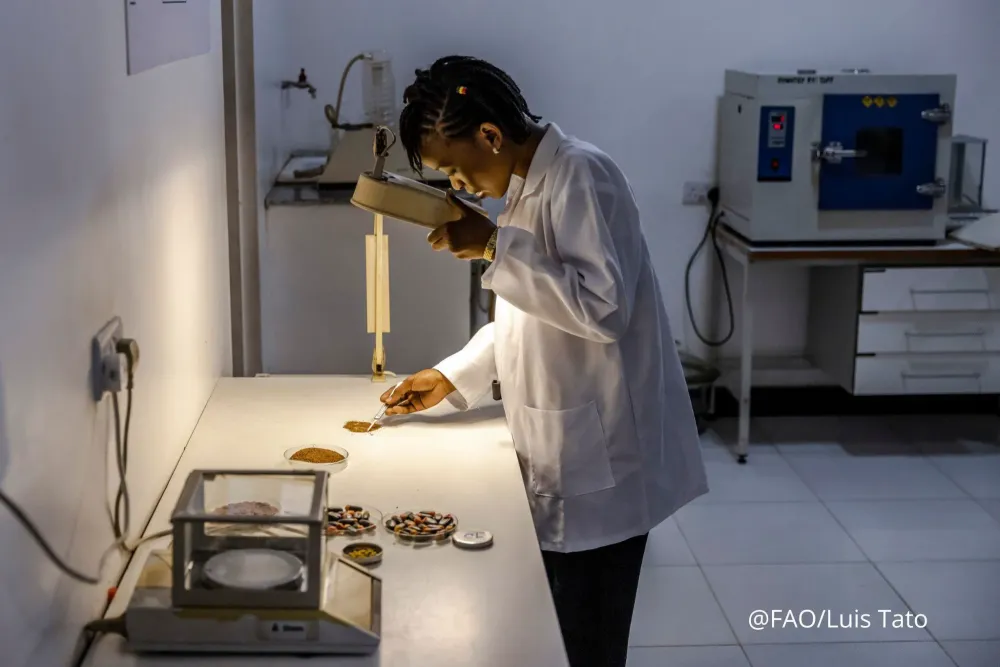
Food can transmit bacteria, viruses, parasites or harmful chemicals. Contamination can occur during production, processing, transport, storage or preparation. Unsafe water, inappropriate storage temperatures, poor hygiene or residues exceeding regulatory limits expose consumers to various risks, not all of which can be detected in the same way.
The World Health Organisation’s most recent global estimates, published in 2026 and covering the year 2021, put the number of cases of illness linked to contaminated food at 866 million and the number of deaths at 1.52 million. Foodborne illnesses also accounted for 57.1 million healthy life years lost. These estimates cover 42 major food hazards and show that the issue is not limited to visible cases of food poisoning or high-profile crises.
However, surveillance is uneven. Mild cases are not always reported, reporting systems differ between countries, and some illnesses are not easily linked to a specific food. Without adequately equipped laboratories, epidemiological data and early-warning mechanisms, contamination can continue to spread before the authorities are able to intervene.
‘Natural’ does not automatically mean ‘safe’
In public debate, ‘natural’ and ‘artificial’ are sometimes used as if they were sufficient to determine whether a food is healthy or dangerous. This oversimplification does not allow for an assessment of a product’s safety. A food may be contaminated by microbes or substances present in its environment, whilst a processed food may be safe provided its ingredients, production process and storage are properly controlled. The assessment focuses on hazards, their likelihood and consumer exposure, not on a general dichotomy between nature and technology.
Food quality, moreover, encompasses several dimensions. It relates to composition and nutritional value, but also to freshness, authenticity and the accuracy of labelling. A health inspection can verify the absence or concentration of certain hazards; it does not, on its own, guarantee that the product contributes to a balanced diet or that all marketing information is accurate. Distinct criteria and controls tailored to each objective are therefore required.
Environmental changes further complicate this monitoring. The WHO emphasises that rising air and water temperatures, extreme weather events and variations in rainfall can alter the risks of foodborne diseases. Control systems must therefore be able to incorporate new data and adapt their priorities as production conditions change.
Foods produced using new technologies require a case-by-case assessment
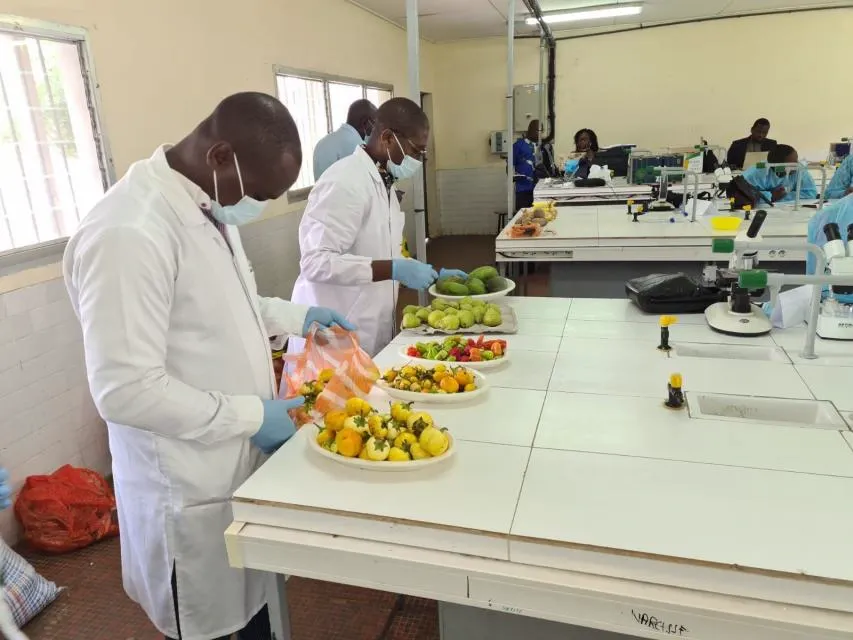
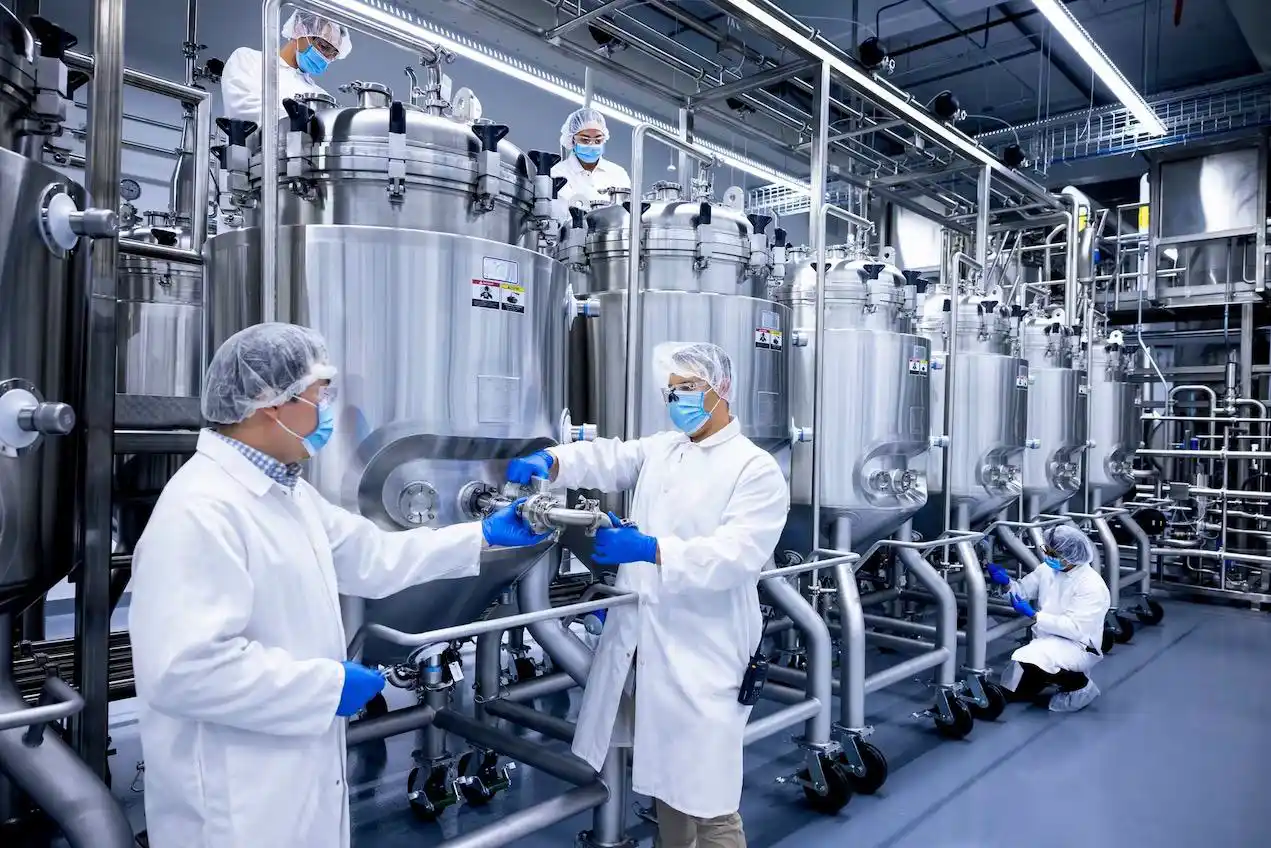
The term ‘lab-grown food’ encompasses a range of different processes. Foods derived from cell cultures, those produced by precision fermentation and certain biotechnology-derived foods are not interchangeable. They may involve distinct raw materials, organisms, production stages and final ingredients; the assessment must therefore focus on the specific product and process concerned.
The FAO and WHO have identified potential hazards specific to the production of food from cells. Some risks are already known in other food sectors, whilst other issues relate to the materials used, the components of culture media, production conditions and the possible presence of residues in the final product. Both organisations emphasise the need to analyse the production chain and to have sufficient information to assess each product.
A case-by-case assessment does not imply that a product is unsafe simply because it is new, nor that innovation alone is sufficient to prove its safety. Conclusions depend on the data provided, the analytical methods used and the authorities’ ability to verify processes and products. Authorisations and regulations vary from country to country; it is therefore important that decisions are explained, made accessible and reviewed if processes or knowledge evolve.
Effective control begins before the food reaches the shelves
Inspecting the finished product alone is not enough to prevent all risks. Contamination can occur at various stages and spread before it is detected. The FAO recommends a preventive, risk-based approach that examines the entire food chain and focuses control resources on the hazards and activities with the most significant health implications.
This requires clear regulations, inspection services capable of enforcing them, reliable laboratories, and traceability and recall procedures. When a product poses a risk, the authorities must be able to identify the affected batches and promptly inform stakeholders in the supply chain as well as consumers. Producers and processors also have a responsibility to manage hazards: public controls are no substitute for good hygiene and quality practices within businesses.
The Codex Alimentarius standards developed by the FAO and the WHO provide international benchmarks to protect consumer health and support fair practices in the food trade. They form the basis for many national regulations, but their effectiveness depends on how they are translated into each country’s laws, controls and capacities.
Trust depends on transparency and the means to carry out checks
Consumers need to know what they are buying, but labelling cannot replace robust public oversight. Clear information on ingredients, allergens, relevant processes and storage conditions helps consumers make informed choices. For products resulting from new technologies, precise and consistent terminology can prevent confusion between processes and limit misleading claims. Transparency must present useful facts without concealing any remaining uncertainties.
Enforcement resources remain unevenly distributed. Authorities lacking laboratories, trained staff or data collection systems find it more difficult to inspect products, detect hazards and monitor cross-border trade. Capacity building, information sharing between countries and rapid alert networks are therefore essential, particularly when products and their ingredients move across multiple jurisdictions.
Trust is built neither on the promise of zero risk nor on widespread mistrust of new technologies. It is based on comprehensible rules, scientific assessments tailored to each product, independent checks and transparent public decisions. This is how we can protect public health whilst enabling consumers to understand what is on their plates.
Morgan CHOKI