
















Children’s Emergencies in the World Program
Context and Rationale
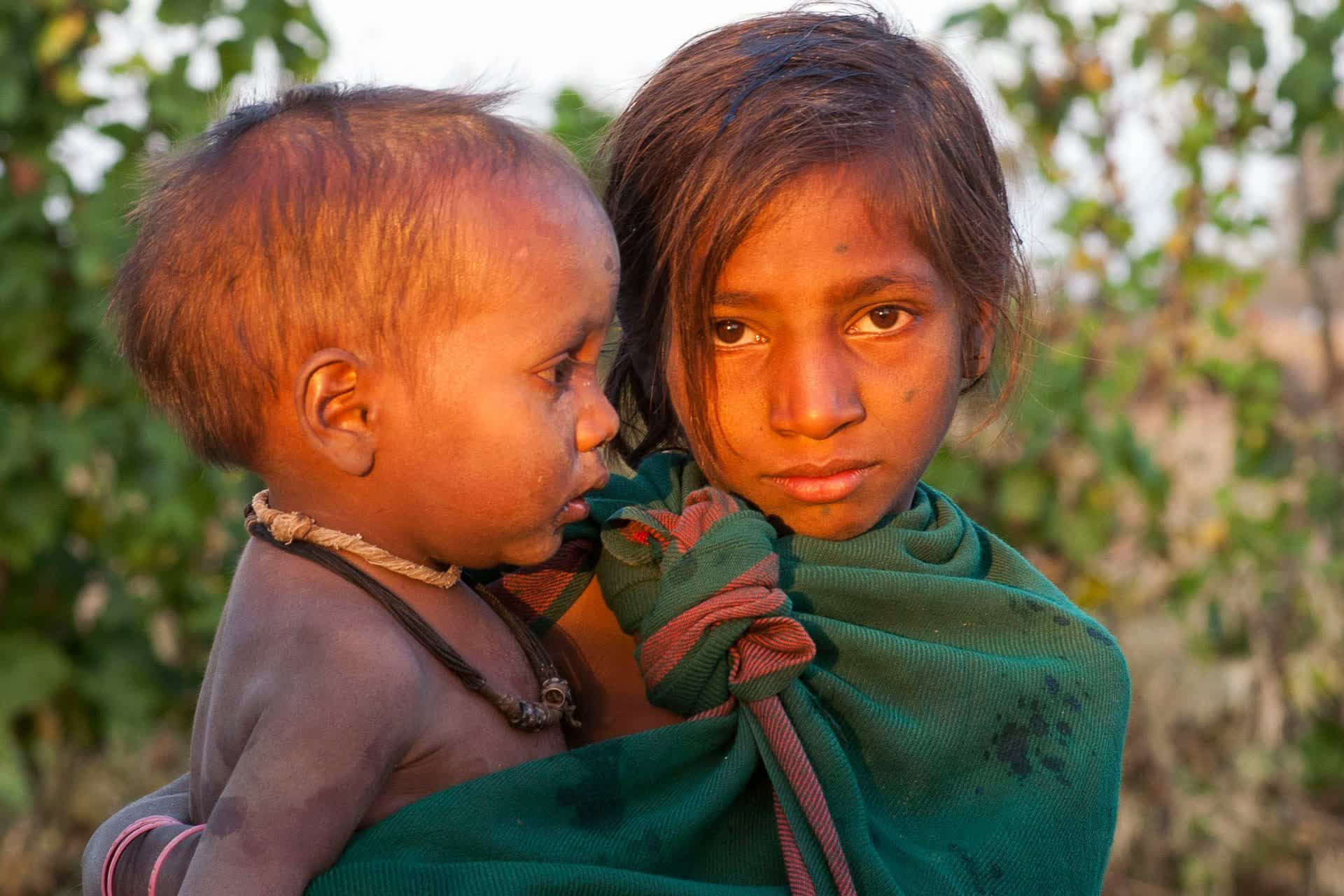
The global situation of children remains one of the most unrelenting indicators of the imbalances within human development. Despite several decades of health and educational progress, child mortality persists at levels incompatible with the universal commitments of the 2030 Agenda. In 2023, nearly 4.8 million children under the age of five died, with more than half of these deaths occurring in sub-Saharan Africa and South Asia. These figures reflect a structural reality: a child’s chances of survival and development remain strongly determined by their place of birth, the solidity of public institutions, and the capacity of societies to protect their most vulnerable populations.
This child crisis extends well beyond the health sphere alone. It results from a combination of interdependent factors: chronic malnutrition, the weakness of health and education systems, intergenerational poverty, inadequate access to water and sanitation, violence against children, and growing exposure to climate and humanitarian risks. Current responses, frequently sectoral and fragmented, struggle to produce lasting transformations. They remain dependent on unstable financing, shifting political priorities, and an international governance architecture that is still insufficiently coordinated, perpetuating a profound gap between normative commitments and the reality experienced by millions of children.
In this context, the Children’s Emergencies in the World Program emerges as a major strategic response to a global and multidimensional challenge. It proposes an integrated, long-term approach designed to place the child at the heart of public policies and international cooperation. By articulating health, nutrition, education, protection, governance, and international mobilisation, the program seeks to move beyond the logic of ad hoc emergency intervention in order to establish a structural and enduring framework for collective action. Its relevance lies in its capacity to unite States, multilateral organisations, and civil society around a universal imperative: guaranteeing every child the fundamental right to survive, to grow, and to flourish in dignity an essential condition for stability, peace, and sustainable development at the global scale.