











International Program for the Rehabilitation and Reintegration of Surviving Children (IPRSC)
Context and Rationale
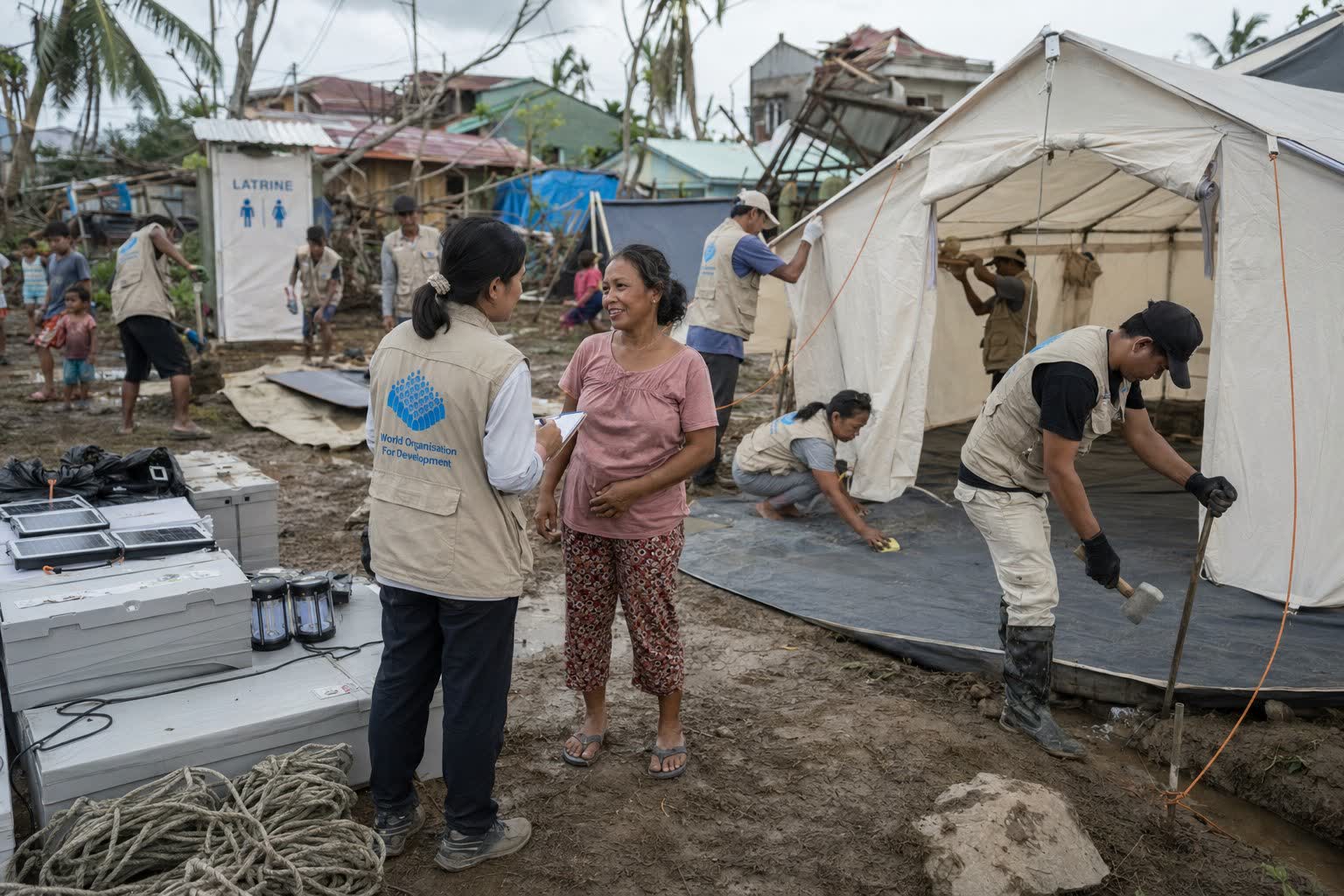
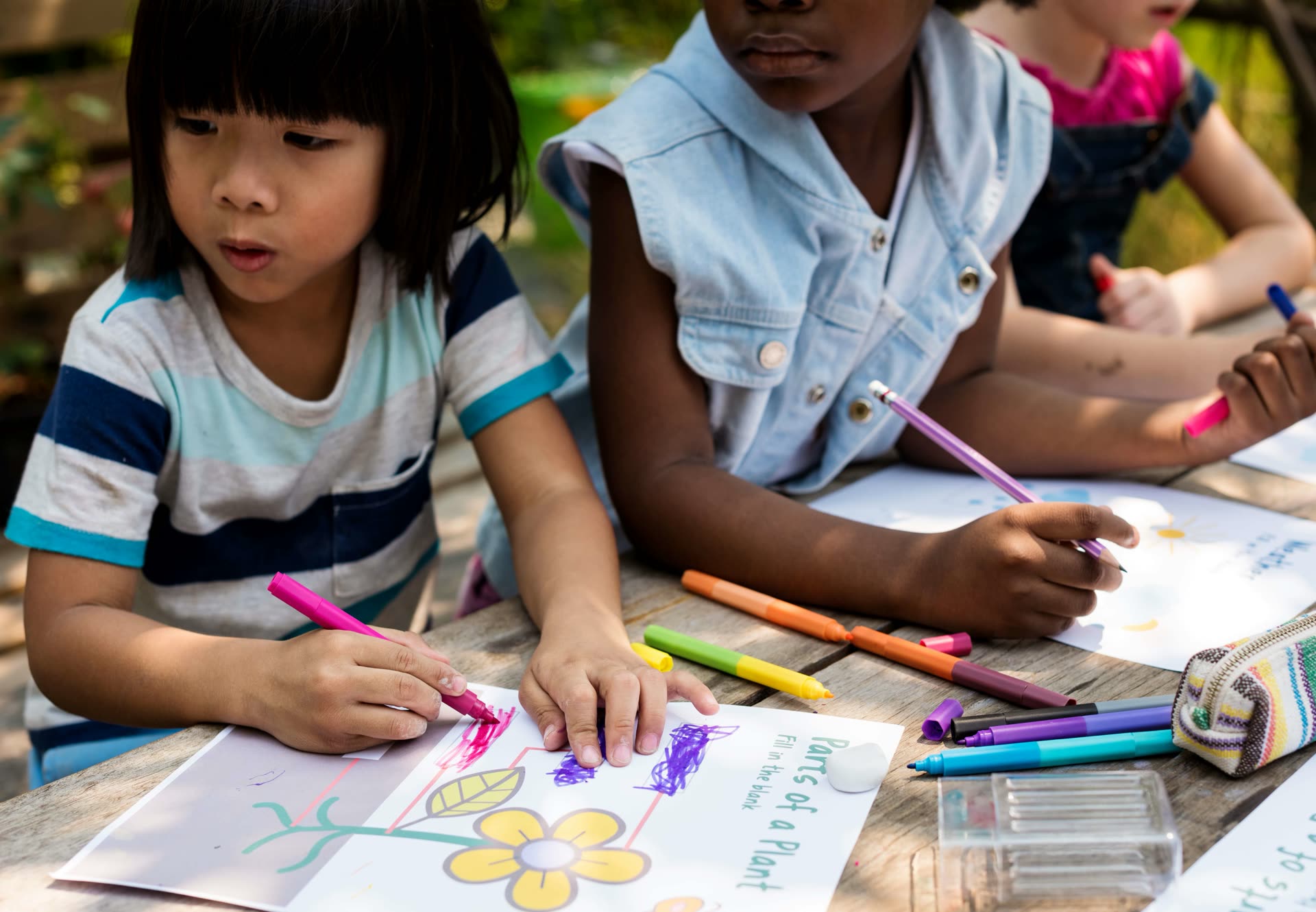
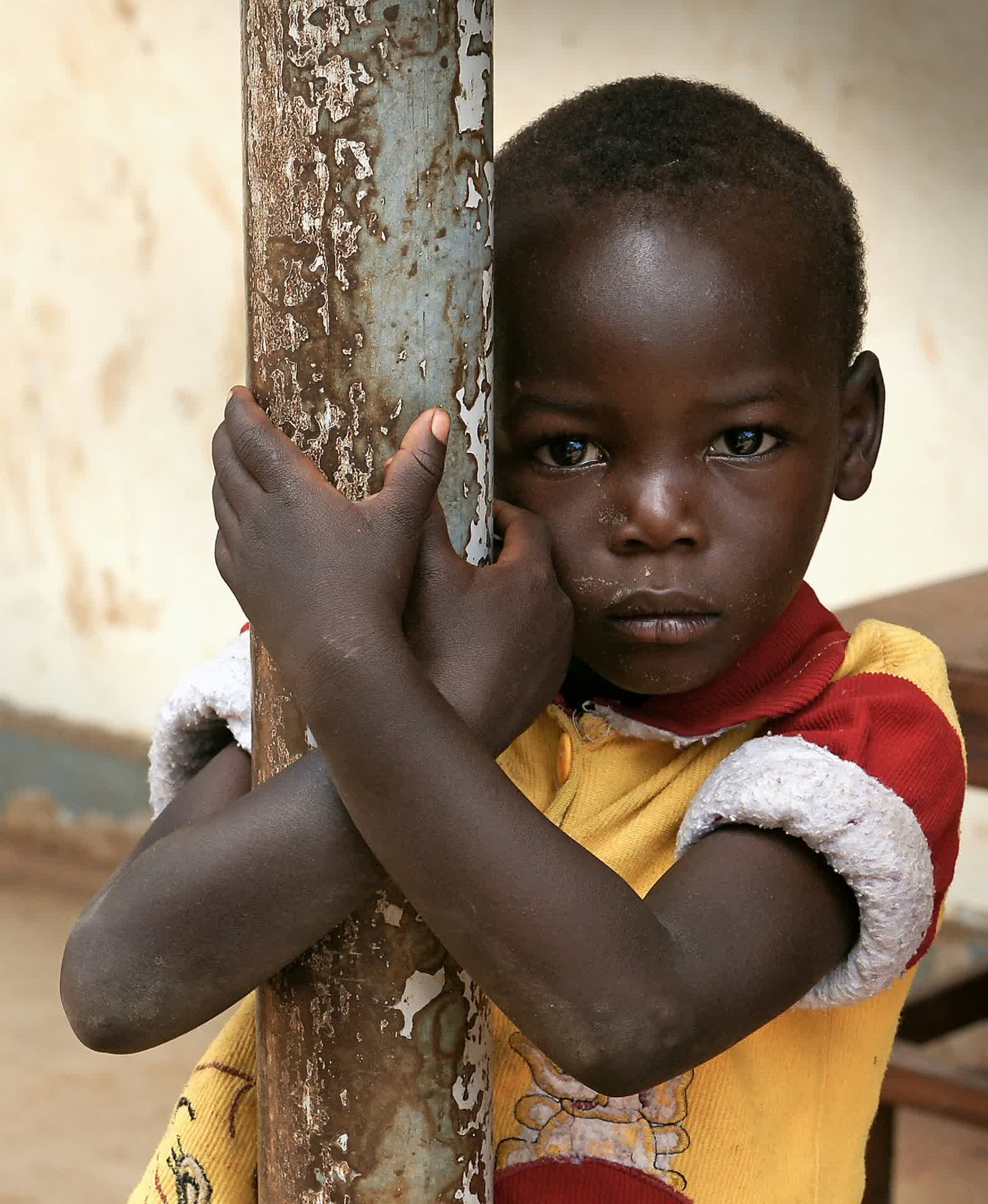
Contemporary crises armed conflicts, natural disasters, social violence, forced displacement, and climate disruption expose hundreds of millions of children to situations of extreme vulnerability. Today, nearly 468 million children live in contexts of protracted crisis, frequently deprived of protection, care, education, and family support. These surviving children bear profound physical, psychological, and social trauma that durably compromises their development and weakens the social cohesion of the societies in which they live.
Despite the existence of robust international frameworks, notably the Convention on the Rights of the Child and the 2030 Agenda, responses remain largely inadequate. National mechanisms are often fragmented, underfunded, and poorly coordinated, perpetuating a major gap between political commitments and the reality experienced by children. This structural failure carries severe consequences: the erosion of human capital, mass school dropout, mental health disorders, the intergenerational reproduction of poverty, and heightened social instability. The World Bank estimates that this marginalisation of children represents an economic loss of up to 5 to 7 per cent of GDP in low- and middle-income countries.
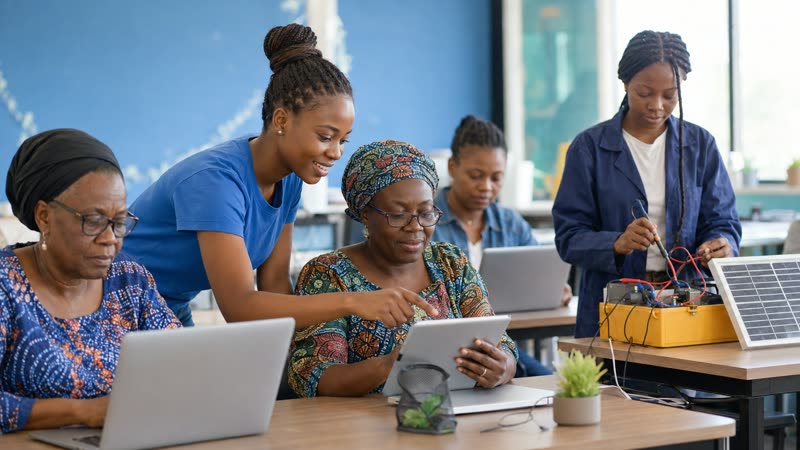
In this context, the IPRSC emerges as a highly relevant and necessary response. It proposes an integrated, systemic approach that transcends the logic of emergency intervention to embed the rehabilitation of surviving children within a dynamic of sustainable reconstruction. By articulating protection, health, education, social reintegration, and institutional governance, the program addresses a major strategic gap in international action. The IPRSC does not merely treat the consequences of crises; it addresses their structural effects on childhood an indispensable condition for the peace, stability, and sustainable development of nations.