


































Is healthy eating too expensive? Inequalities in access to nutritious food
The cost of a balanced diet depends on the food available, the supply chains that deliver it, and household incomes. In many countries, the most nutrient-rich foods remain the hardest to buy on a regular basis.
Food security is not measured solely by the quantity of food produced or sold. It also depends on each household’s ability to access a varied diet suited to its needs without sacrificing other essential expenditure. The cost of a healthy diet thus highlights the limitations of policies that prioritise available calories without considering their nutritional quality or people’s purchasing power.
The cost of a healthy diet remains out of reach for many
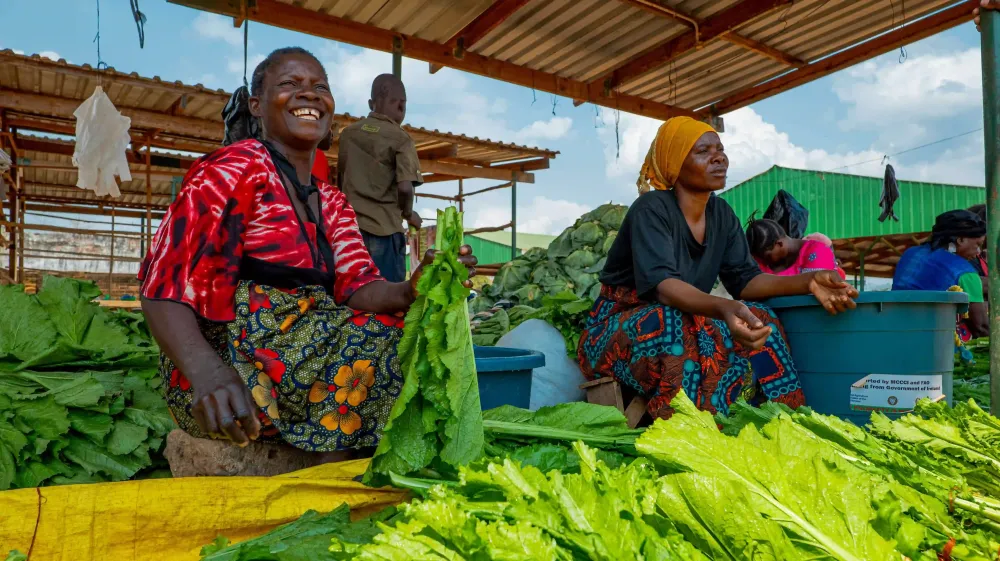
According to the 2026 report on the State of Food Security and Nutrition in the World, nearly one in three people could not afford a healthy diet in 2025. The global average cost at that time stood at $4.28 in purchasing power parity per person per day. This average masks significant disparities between countries and regions: in 2025, Africa had the highest proportion of people unable to afford such a diet, at 66.6 per cent, compared with 28.9 per cent in Asia and 25.7 per cent in Latin America and the Caribbean.
These estimates do not correspond to an identical bill for every household. The FAO calculates the minimum cost of locally available foods which, when combined in accordance with dietary recommendations, provide a diet that meets energy requirements and a large proportion of nutritional needs. The affordability indicator also takes income into account. It allows for comparisons between situations, but does not specify exactly what each household buys, nor whether the food is available in their neighbourhood, village or during the season in question.
Pricing extends far beyond the farm
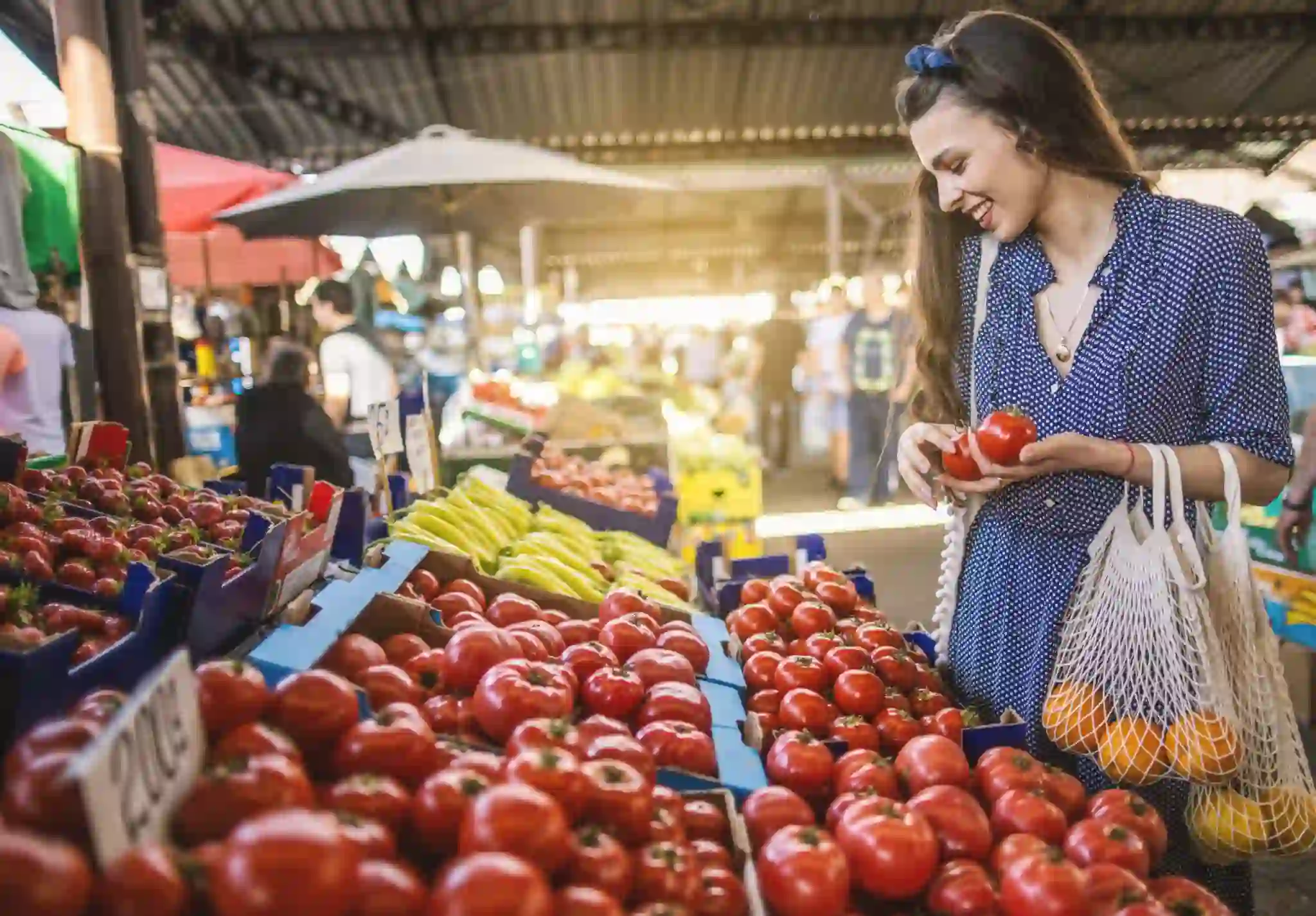
The high cost of nutritious foods is not determined solely by agricultural production costs. The FAO estimates that post-farm activities — processing, transport, logistics and wholesale trade — account for around 70 to 75 per cent of what consumers pay for food. Fruit and vegetables, which spoil more quickly, are particularly vulnerable to poor road conditions, a lack of refrigerated storage, energy costs and losses during transport.
The composition of prices also contributes to the gap between a filling diet and a balanced one. Animal-sourced foods, fruit and vegetables account for nearly 70 per cent of the cost of a healthy diet, whilst starchy foods provide around half the calories at a much lower cost. A diet based mainly on staple foods can therefore provide energy without offering the full range of nutrients required. In areas far from markets, the gap widens: perishable goods can cost more than twice as much as in large cities.
Income and geographical inequalities influence choices
The same price does not have the same impact on all households. When incomes are low or irregular, food competes with rent, transport, healthcare and school fees. Rising prices or a loss of income can therefore reduce the variety of meals, even when food is available in the markets. Rural households may face a double disadvantage: unstable incomes, linked in particular to agricultural seasons, and transport costs that make nutritious food more expensive.
Data on dietary patterns show that the issue is not limited to adults’ food purchases. In 2025, only 30.8 per cent of children aged between 6 and 23 months had a diet meeting the minimum threshold for dietary diversity used by international indicators. Among women aged 15 to 49, 62.7 per cent met this threshold. Whilst these figures do not directly measure the impact of price on each individual, they do show that dietary diversity remains insufficient for a significant proportion of groups with specific nutritional needs.
Lowering prices is not enough to improve diets
Making food more affordable can remove a major barrier, but does not in itself guarantee better nutrition. Habits, preferences, the time available to prepare meals, information, access to safe drinking water and food safety also influence consumption choices and opportunities. Pricing interventions must therefore be combined with public health measures and policies that facilitate access to a varied and safe diet.
The way in which public support schemes are designed also matters. Supporting staple foods alone may reduce the price of calories, without making fruit, vegetables and other more expensive foods that contribute to a balanced diet more accessible. The FAO even notes that certain subsidies focused on staple foods may, relatively speaking, increase the cost of a healthy diet if they direct production and support towards calories rather than nutritional diversity. The effects vary depending on the market and must be assessed in each specific context.
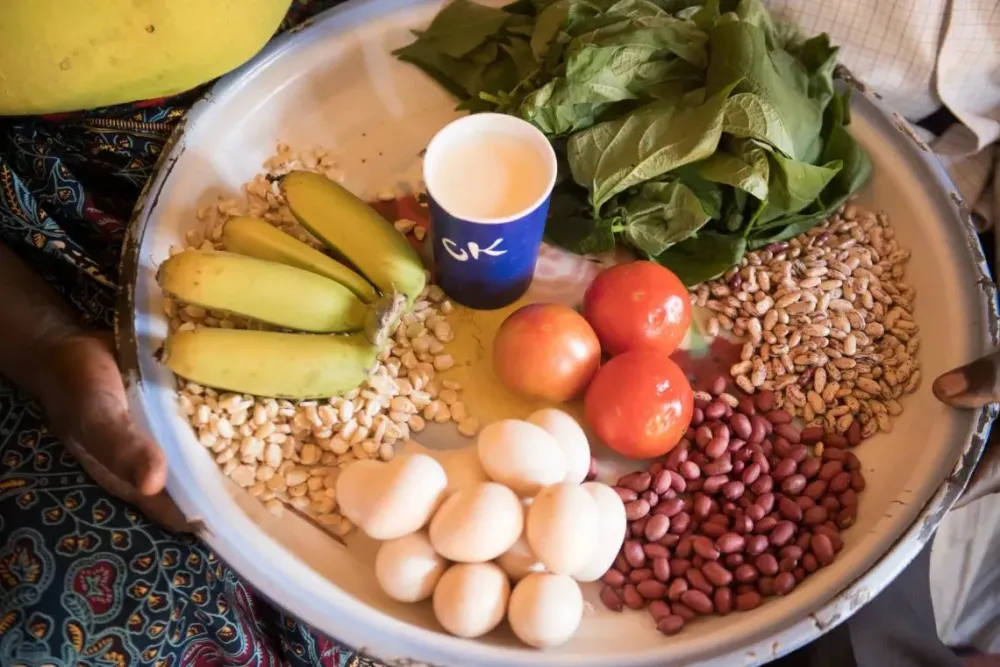
Reducing costs requires action across the entire food chain
The solution requires investments that reduce costs where they accumulate. Passable rural roads, storage and refrigeration facilities, reliable energy supplies and better-organised wholesale markets can minimise losses and facilitate the transport of perishable goods. Agricultural research, irrigation and support for producers can also help to diversify supply, provided that farmers have access to sufficiently stable finance, inputs and market outlets.
These changes must protect the most vulnerable people whilst they are being implemented. Targeted social transfers, school meal programmes or food aid can support the purchasing power of vulnerable households. However, their design must be consistent with agricultural investments and trade policies, so that the aid is not negated by supply shortages or rising local prices. Price data collection at the sub-national level is also necessary: national averages can mask variations between seasons, towns and rural areas.
The cost of a healthy diet is therefore an indicator of how a food system connects producers and consumers. Addressing this cost involves bringing nutritious food closer to markets, reducing losses and preserving purchasing power, whilst taking into account nutritional needs and local realities. Without this holistic approach, higher incomes or increased production will not necessarily result in more varied meals.
Morgan CHOKI